
Sustainable Housing: Designing Eco-Friendly Living Environments
Welcome to the age of sustainability, where the need for eco-friendly living environments is becoming more prominent than ever before. As the world continues to face the consequences of overconsumption and environmental degradation, the focus on sustainable housing has elevated. Now, more than ever, it is essential to design and build homes that reduce the negative impact on the environment while promoting eco-friendly practices. In this article, we will explore the concept of sustainable housing and how it can contribute to creating a greener and healthier planet.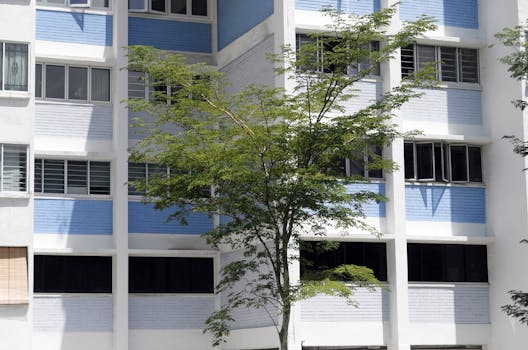
What is Sustainable Housing?
Sustainable housing, also known as eco-friendly or green housing, is the practice of designing and constructing homes that have a low impact on the environment. It focuses on using sustainable materials and energy-efficient technologies to create a living space that is environmentally responsible and energy-efficient. The goal of sustainable housing is to reduce the use of natural resources, minimize waste, and promote a healthier and more sustainable way of living.
The Benefits of Sustainable Housing
1. Reduced Environmental Impact
One of the primary benefits of sustainable housing is its reduced impact on the environment. By incorporating sustainable practices and materials, such as using recycled or renewable materials, energy-efficient appliances, and solar panels, sustainable homes reduce the carbon footprint on the planet. This helps in preserving natural resources and reducing pollution levels, contributing to a greener and healthier environment.
2. Lower Energy Bills
Sustainable homes are designed and built to be energy efficient, which means they require less energy to heat, cool, and operate. This results in lower energy bills for homeowners, helping them save money in the long run. Moreover, as the world continues to transition towards renewable energy sources, sustainable homes will have an even more significant advantage in terms of energy savings.
3. Higher Property Value
Sustainable homes are in high demand, and they usually come with a higher price tag than conventional homes. The increased demand for eco-friendly living spaces and the potential for long-term energy savings make sustainable homes a sound investment. If and when homeowners decide to sell, they can expect a higher resale value for their sustainable homes.
4. Enhanced Indoor Air Quality
Most conventional homes are built with materials containing harmful chemicals, which can deteriorate indoor air quality, leading to health problems. Sustainable homes, on the other hand, use non-toxic and environmentally friendly materials, which are better for human health and promote better indoor air quality. This, in turn, creates a healthier living space for homeowners and their families.
Designing Eco-Friendly Living Environments
1. Use of Sustainable Materials
Sustainable materials are an essential aspect of eco-friendly living environments. Materials such as bamboo, recycled steel, and salvaged wood are not only environmentally friendly, but they are also durable and aesthetically pleasing. Using sustainable materials in building homes reduces the need for resource-intensive processes, lowers the carbon footprint, and minimizes waste.
2. Energy Efficiency
Another crucial element in designing eco-friendly living environments is energy efficiency. Sustainable homes use energy-efficient appliances and lighting, as well as renewable energy sources like solar panels and geothermal heating and cooling systems. These technologies reduce the amount of energy consumed, making the homes more energy-efficient and reducing environmental impact.
3. Water Efficiency
Sustainable housing also focuses on water efficiency by incorporating low-flow fixtures, rainwater harvesting systems, and drought-resistant landscaping. These features help conserve water and reduce water bills, especially in areas prone to water shortages.
4. Natural Lighting and Ventilation
Designing homes with natural lighting and ventilation in mind is crucial for eco-friendly living environments. Maximizing the use of natural light reduces the need for artificial lighting, while proper ventilation reduces the use of air conditioning in warmer months. This not only saves energy but also creates a healthier and more comfortable living space.
In Conclusion
Sustainable housing is more than just a trend – it is a necessary step towards creating a greener and healthier planet. With the growing awareness of environmental issues and the need for sustainable living, the demand for eco-friendly housing is on the rise. By incorporating sustainable practices and materials, designing energy and water-efficient homes, and prioritizing natural lighting and ventilation, we can create eco-friendly living environments that promote a more sustainable way of living. Let us take a step towards a greener future by embracing sustainable housing.