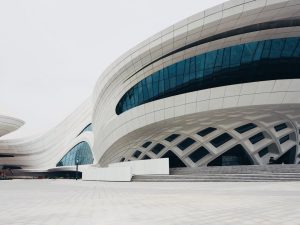
Minimalist Living: Designing Spaces That Breathe
In today’s fast-paced world, many people are turning to minimalist living as a way to simplify their lives and declutter their homes. The idea behind minimalist living is to only keep the essentials and get rid of anything that is unnecessary or takes up space. This lifestyle has gained popularity due to its potential for improving mental clarity and reducing stress. However, minimalist living is more than just getting rid of things; it’s about designing spaces that not only look clutter-free but also feel breathable and peaceful. In this article, we will explore the basics of minimalist living and how you can design spaces that breathe.
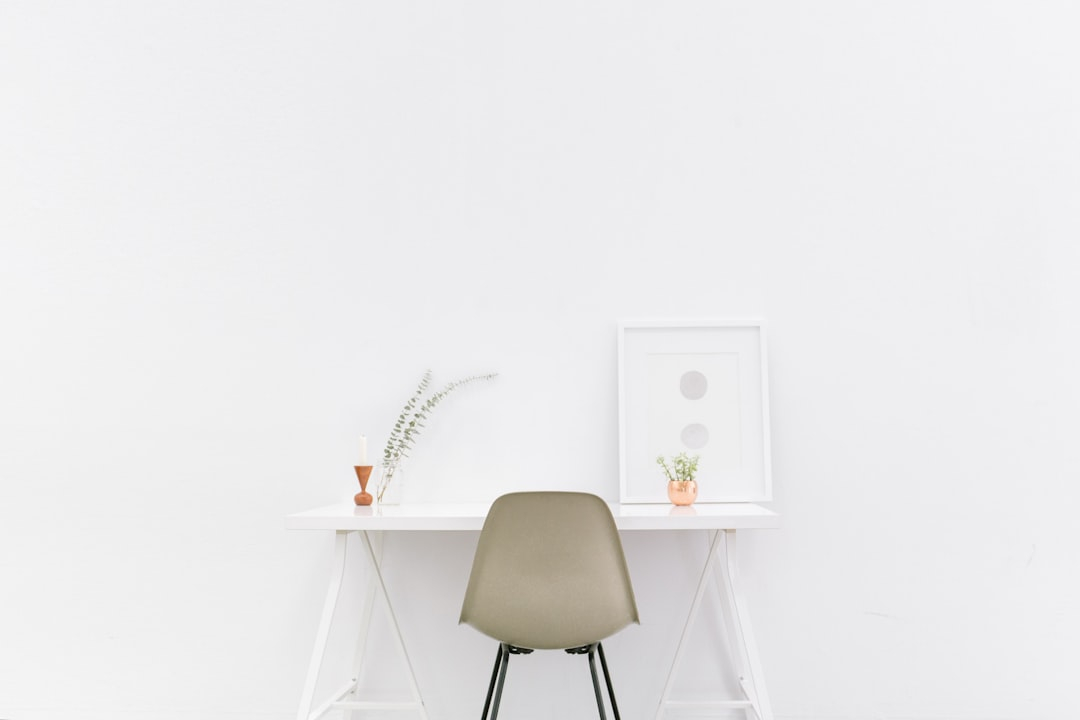
The Philosophy of Minimalist Living
The minimalist lifestyle is centered around the belief that less is more. This philosophy encourages individuals to focus on what is truly essential to their happiness and well-being and to eliminate all distractions and excesses. This applies to material possessions, time commitments, relationships, and even thoughts. By simplifying our lives, we can create more time and space for the things that truly matter.
How to Achieve Minimalist Living
1. Declutter Regularly
The first step to achieving a minimalist lifestyle is to declutter your home regularly. This involves going through your belongings and getting rid of anything that is no longer needed or brings value to your life. Start with the obvious areas such as closets, drawers, and shelves, and then move on to your less visible spaces like cabinets and storage boxes. Ask yourself if each item is truly essential or if it could be donated, sold, or thrown away. Remember, the goal is to only keep the things that serve a purpose and bring joy to your life.
2. Create Multi-purpose Spaces
In minimalist living, it’s essential to make the most out of each space in your home. Instead of having a room designated for one specific purpose, try to create multi-functional spaces. For example, your living room can also serve as a home office or a yoga space. This not only maximizes the use of space but can also save you money and declutter your home.
3. Stick to a Neutral Palette
When it comes to designing minimalist spaces, less is always more. Stick to a neutral color palette that includes whites, grays, and natural tones. These colors create a calm and clean atmosphere and make it easier to add pops of color with accent pieces. Avoid overcrowding your space with too many different colors, as this can create a busy and cluttered look.
4. Invest in Quality over Quantity
In minimalist living, it’s important to focus on quality over quantity. Instead of buying multiple cheaper items, invest in high-quality pieces that will last longer and serve a purpose. This applies to furniture, clothing, and even household items. By only owning a few high-quality items, you can reduce clutter and maintain a sleek and functional living space.
Designing Spaces That Breathe
Minimalist living is all about creating spaces that feel open, airy, and clutter-free. In addition to the above steps, here are a few tips for designing spaces that truly breathe:
1. Add Natural Light
Natural light is a crucial element in minimalist design. It not only makes a space feel brighter and more open, but it also has numerous health benefits. Consider adding large windows or skylights to your space to increase natural light, or if you have limited natural light, invest in good quality artificial lighting.
2. Use Simple and Functional Furniture
Furniture plays a significant role in minimalist spaces. Stick to simple and functional pieces that serve a purpose. Avoid bulky furniture that takes up too much space and may not get used. Opt for furniture with clean lines and hidden storage options to maintain a minimalist look.
3. Incorporate Natural Elements
Incorporating natural elements such as plants, wood, and stone can add a touch of warmth and texture to minimalist spaces. These elements can also help create a calming and peaceful atmosphere, making your space feel more relaxing and breathable.
In conclusion, minimalist living is more than just a design trend; it’s a lifestyle choice that offers a sense of freedom, clarity, and peace. By following the above tips, you can create spaces that not only look clutter-free but also feel spacious and breathable. Remember, the key is to only keep what is truly essential and to design spaces that promote functionality and well-being.